
Shopping Cart
Pneumatic
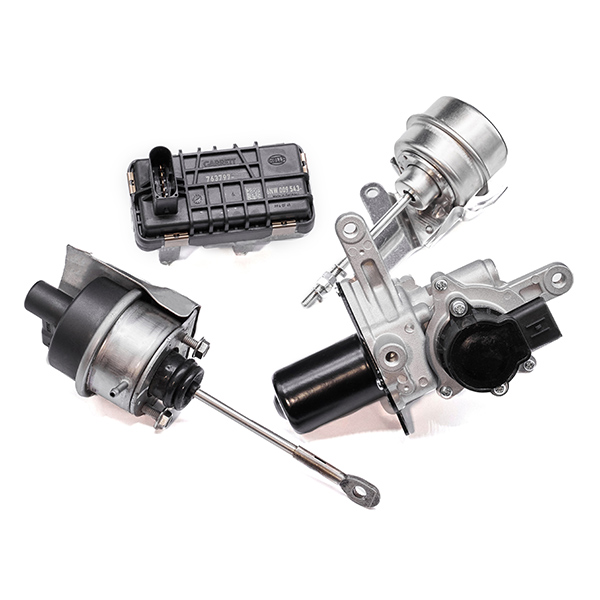
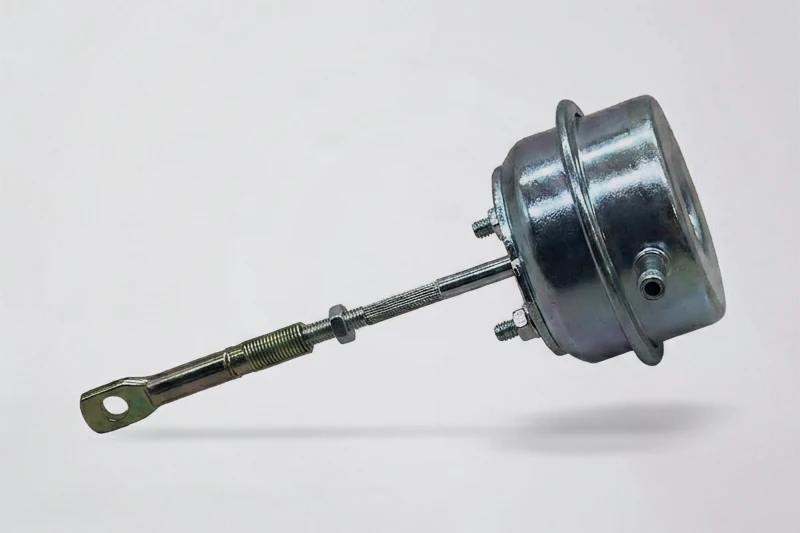
Traditional vacuum-operated actuator systems commonly used on older turbocharger applications. Faults are often linked to diaphragm wear, sticking movement or boost control issues.
Pneumatic with sensor
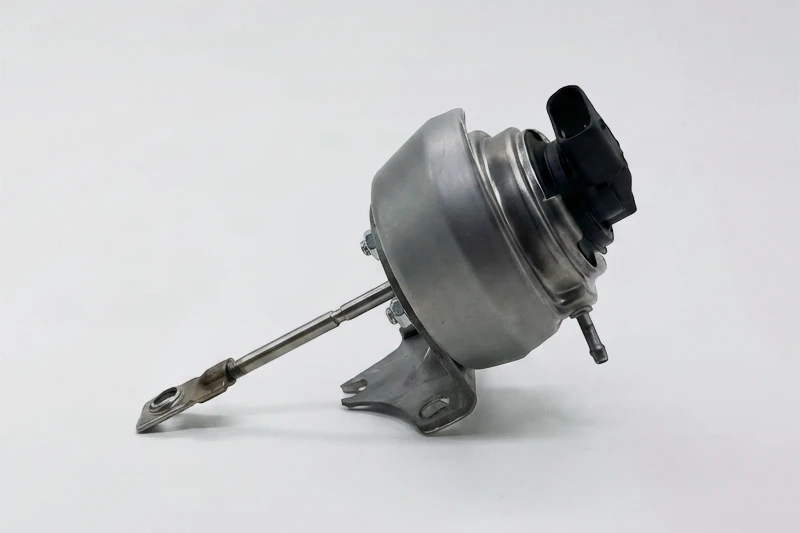
Vacuum-operated actuators with integrated position sensing used on many modern VNT turbochargers. Incorrect movement or sensor faults can cause limp mode, fault codes and inconsistent turbo response.
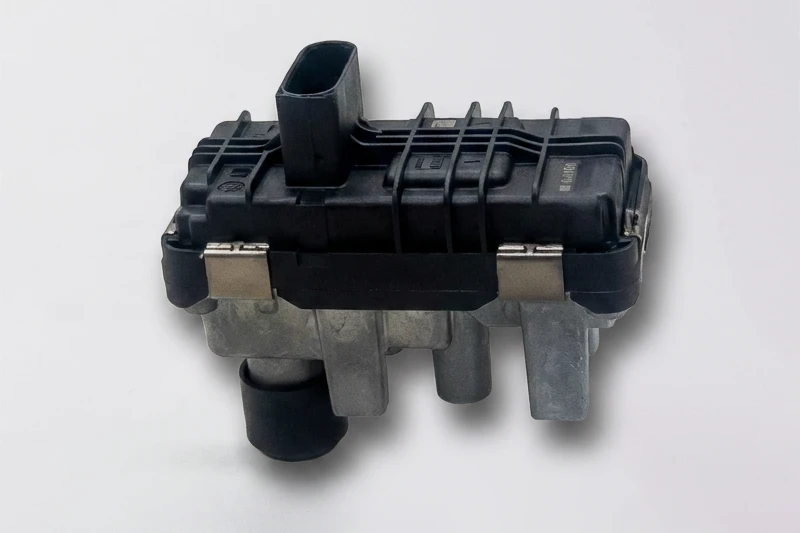
Electronic
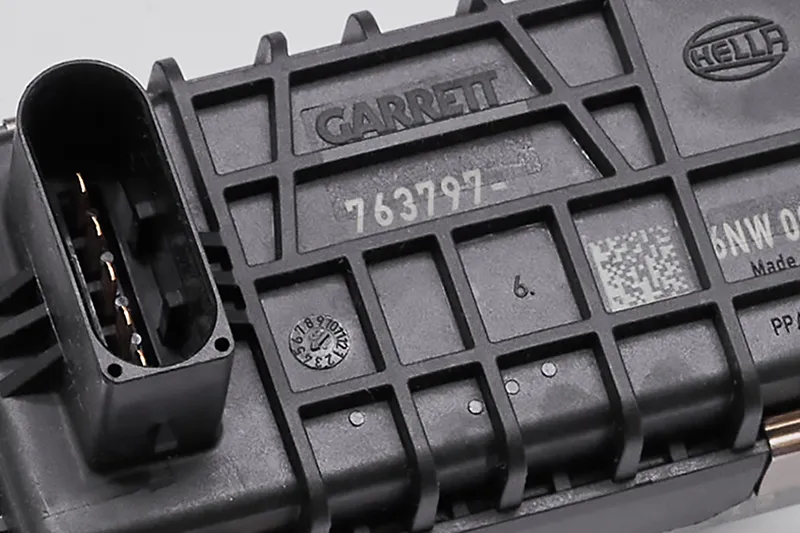
Electronically controlled turbo actuators designed for precise boost and vane control on modern petrol and diesel engines. Correct calibration and setup are critical for proper turbocharger operation.