Why do turbochargers fail? - What actually kills a turbo

A turbocharger is a simple piece of hardware working in a very unforgiving environment. It is driven by exhaust gas, but it depends entirely on the engine’s oil, air and pressure conditions to survive. This is where most problems with turbocharger begin.

When a turbo fails, it is often assumed that the unit itself has worn out. In reality, the turbo is usually the part that shows the problem, not the part that caused it. It sits at the centre of airflow, lubrication and exhaust heat, so when something upstream or downstream is not right, it is the first component to take the damage.

In real-world conditions, the pattern is consistent. Turbos fail because lubrication breaks down, because the oil becomes contaminated, because debris enters the system, or because the unit is forced to operate outside its limits through overspeed or excessive heat.

Everything else is a variation of those conditions.

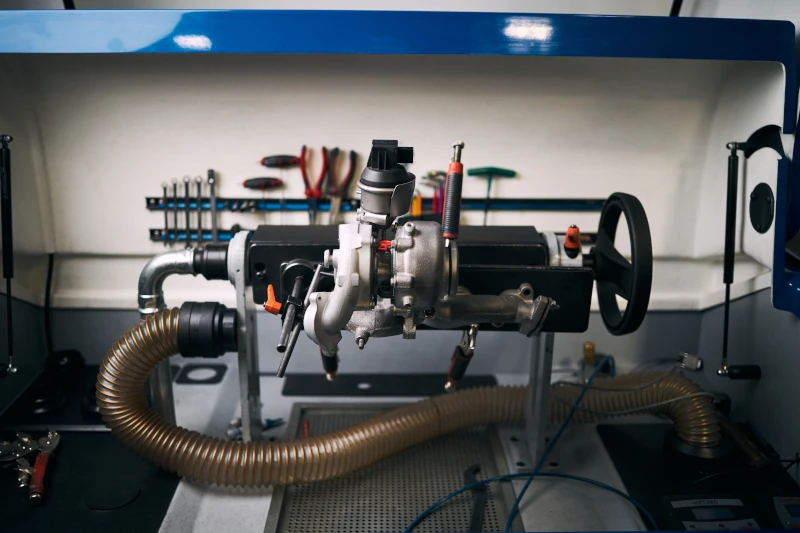
Turbocharger on balancing bench during turbo failure inspection

What is turbo oil starvation and what causes it?

Oil starvation is one of the few failures that can destroy a turbo in seconds. It occurs when the turbocharger does not receive enough clean, pressurised oil to maintain the protective film between moving components.

Inside the centre housing, the shaft is supported by a thin film of pressurised oil. There is no tolerance for interruption. The moment that supply drops, even briefly, metal-to-metal contact begins, and at turbo operating speeds, that contact escalates into damage almost instantly.

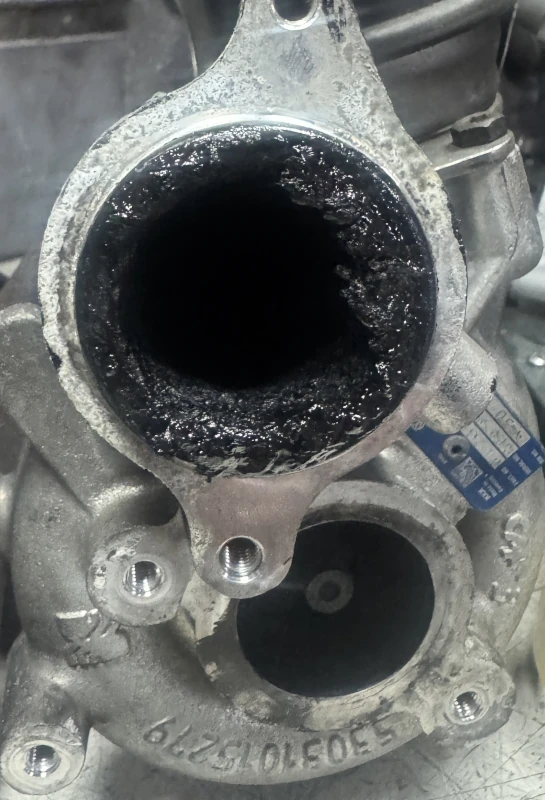
In workshop conditions, this usually comes down to restricted oil flow rather than complete loss of pressure. A partially blocked feed pipe, carbon build-up in the line, or incorrect gasket alignment can reduce flow just enough to collapse the oil film under load. The engine may still show oil pressure, but the turbo is not receiving enough lubrication where it matters.

Hot shutdown is a major contributing factor. When the engine is switched off immediately after a hard run, the oil trapped inside the turbo is exposed to extreme heat without circulation. It begins to carbonise, forming deposits that gradually restrict internal oil passages. Over time, this becomes the starting point for starvation.

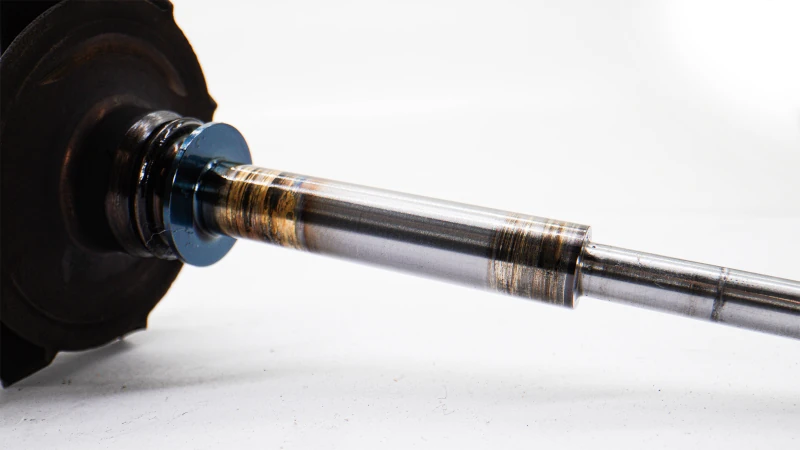
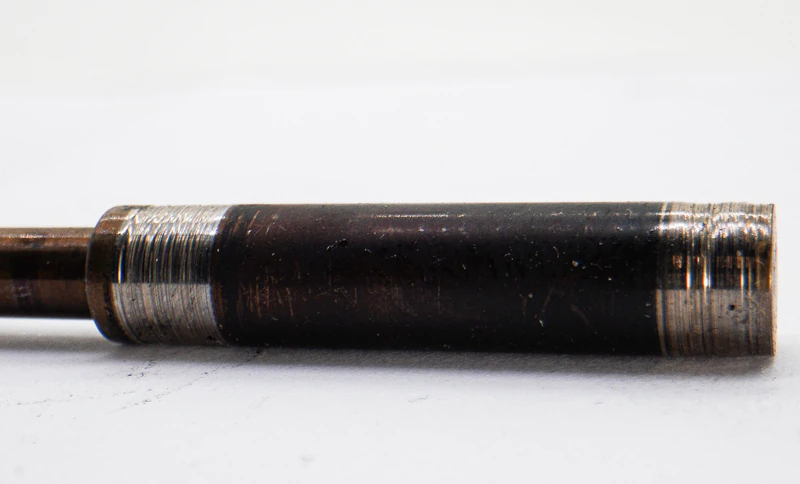
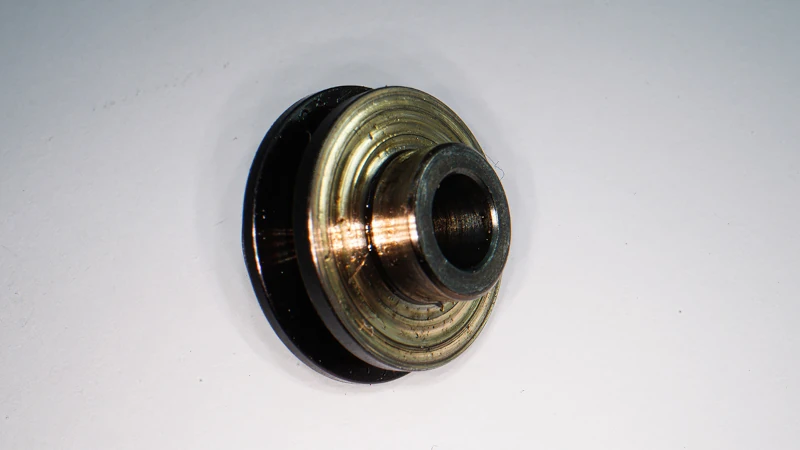
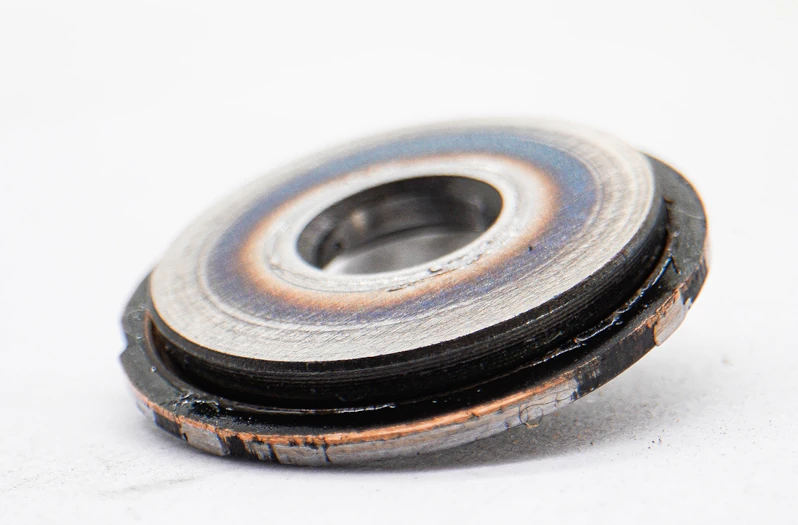
When a turbo has operated without proper lubrication, the signs are consistent. Heat discolouration on the shaft, material transfer on bearing surfaces, and uneven wear on thrust components all point to lubrication failure. In more advanced cases, the rotor may feel tight, sluggish or completely seized.

This type of failure is not sudden. It develops until the oil film can no longer support the shaft.

Turbocharger damage caused by oil starvation and restricted oil supply
Heat discolouration inside turbocharger caused by oil starvation
Worn turbocharger shaft and bearing wear caused by poor lubrication
Turbocharger bearing wear caused by contaminated engine oil

What causes oil contamination

Oil contamination is one of the most common causes of turbo failure. It occurs when the engine oil carries debris, carbon or degraded particles that damage internal turbo components over time.

Clean oil protects the turbo. Contaminated oil destroys it gradually.

Unlike starvation, contamination is not immediate. It works over time, wearing away internal surfaces until internal clearances are no longer controlled. At that point, the shaft begins to move outside its intended range, and everything that depends on precision starts to break down.

In workshop conditions, this is usually linked to missed service intervals, degraded oil or debris circulating through the system, which is why proper turbocharger diagnostics are essential before replacing the unit.

As the oil degrades, it stops behaving like a lubricant and starts acting like an abrasive. The shaft and bearings begin to show fine scoring, which gradually deepens. Clearances increase, oil control weakens, and the turbo starts to leak internally, often leading to oil in the intake system or exhaust.

This is why contamination-related failures often present with multiple symptoms at once, including increased noise, visible smoke and oil contamination in pipework.

The key point is that contamination does not stop when the turbo is replaced. If the oil system is not cleaned properly, the same debris that damaged the original unit will be fed straight into the replacement. In many cases, this is linked to neglected oil feed and return pipes carrying residual contamination.
What is foreign object damage in a turbo?

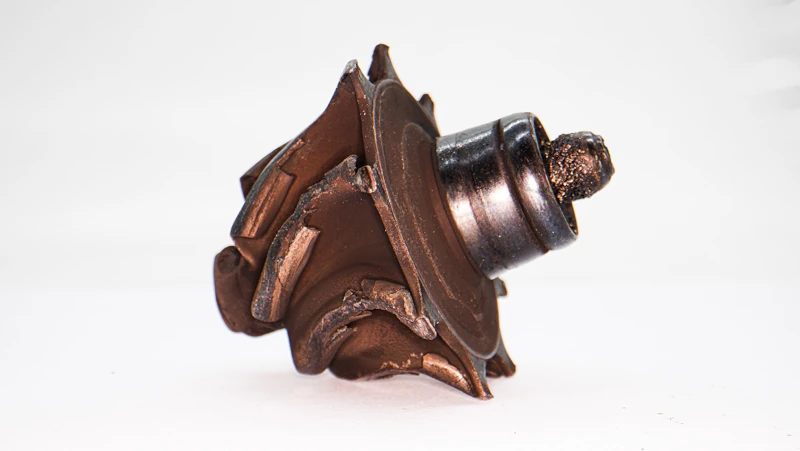
Foreign object damage is one of the most destructive types of turbo failure. It occurs when debris enters the turbocharger and strikes the rotating components, causing immediate mechanical damage and loss of balance.

Anything that enters the turbo and makes contact with the rotating assembly will cause damage. It does not need to be large. Small particles are enough to chip or pit the blades, and once that happens, the balance of the rotating assembly is compromised.

That imbalance is what turns minor damage into a full failure. A turbo relies on precise balance at high speed. Once that balance is disturbed, vibration increases rapidly, loading the bearings and accelerating wear across the entire unit.

On the intake side, this is usually caused by poor filtration or damaged intake pipework, including issues with the intercooler and boost hoses. On the exhaust side, it often comes from internal engine faults or debris left behind after a previous failure. It is not uncommon to see repeat failures where fragments from the original turbo were never fully removed, which is why proper turbocharger diagnostics and system checks are essential.

The damage pattern is usually clear. Impact marks on blade edges, missing material on the wheel, and abnormal turbo noise are typical signs before complete failure.

At that point, the turbo is no longer operating within safe limits. Continued use increases the risk of further damage to the engine and exhaust system.

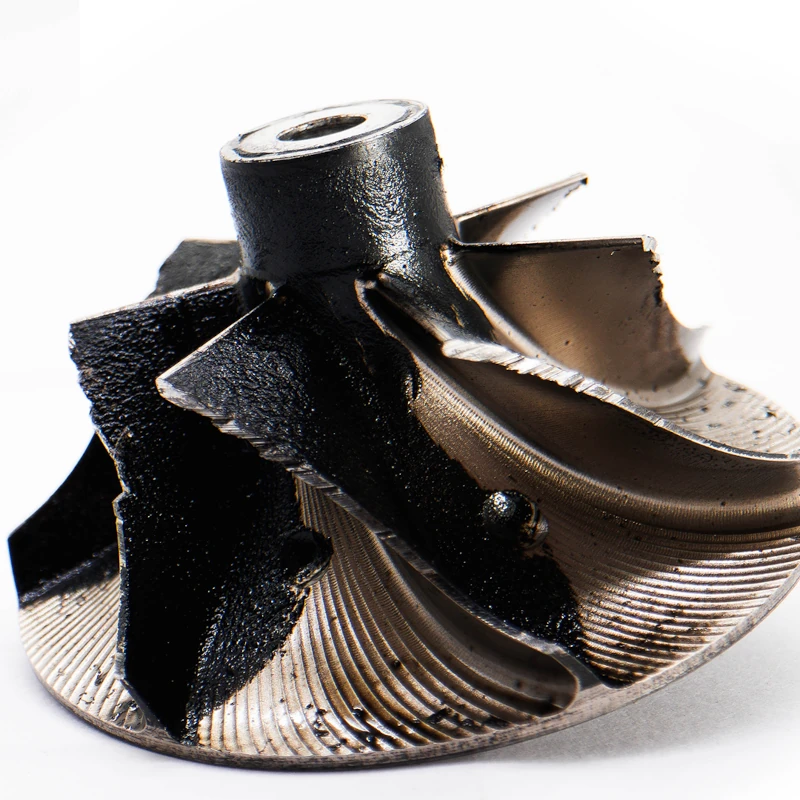
Turbocharger compressor blade damage caused by intake debris
Foreign object damage on turbocharger compressor wheel

What causes turbo overspeed and heat damage?

Turbo overspeed occurs when the turbocharger is forced beyond its designed operating limits, usually due to airflow restrictions, boost leaks or incorrect control. It is one of the most misunderstood causes of turbo failure because it is often misdiagnosed.

A turbo does not overspeed on its own. It is forced into that condition when the engine demands more air than the system can supply under normal operation. This typically comes down to airflow problems, pressure leaks or incorrect boost control, often linked to faults in intercooler and boost hoses or actuator issues.

When the turbo is pushed beyond its intended range, mechanical stress on the rotating components increases sharply. The compressor wheel is subjected to repeated expansion and contraction, weakening the material over time. This leads to fatigue, cracking and eventual structural failure.

What makes overspeed difficult to identify is that the damage can resemble other failure types. Heat discolouration, scoring and bearing wear can all appear similar to lubrication issues. Without assessing the operating conditions properly, it is easy to misdiagnose, which is why accurate turbocharger diagnostics are critical before replacement.

Heat plays a major role alongside overspeed. High exhaust temperatures increase the thermal load on the turbo, and without proper cooling through oil circulation, internal components begin to degrade. Repeated hot shutdowns allow heat to build up in the centre housing without any oil flow to carry it away, accelerating internal wear.

Driving habits contribute directly to this. Hard acceleration before the oil reaches operating temperature reduces lubrication when it is needed most, while immediate shutdown after a hard run traps heat inside the turbo. These conditions do not usually cause instant failure, but they significantly reduce service life over time.

Why do turbochargers leak oil?

Turbo oil leaks are usually caused by pressure imbalance, not failed seals. In most cases, the turbocharger is reacting to issues elsewhere in the system rather than being the root cause of the problem.

A turbo does not rely on traditional seals in the way many people expect. It relies on pressure balance. When that balance is correct, oil remains contained within the centre housing. When it is disturbed, oil begins to move into areas where it becomes visible.

Restrictions in the oil return line are one of the most common causes. If oil cannot drain freely from the turbo, it builds up inside the centre housing and is forced past the sealing areas. This is often linked to issues with oil feed and return pipes. Excessive crankcase pressure creates a similar effect by reducing the ability of oil to drain correctly, commonly associated with faults in the crankcase breather system.

Airflow and exhaust conditions also play a role. Intake restrictions can create vacuum conditions, pulling oil into the compressor side, while exhaust restrictions increase backpressure and push oil towards the turbine side. In many cases, this is related to faults in intercooler and boost hoses or restrictions further down the exhaust system.

When oil appears at both ends, it usually points to a broader issue such as poor oil drainage, excessive internal clearances or incorrect operating conditions.

The key point is that oil leaks rarely originate from the turbo itself. They are the result of pressure, flow or ventilation problems elsewhere in the system, which is why proper turbocharger diagnostics are essential before replacing the unit.

Turbocharger oil leak caused by poor oil drainage and pressure imbalance

Symptoms and checks before replacing

Turbo failure symptoms are not always caused by the turbo itself. Loss of power, unusual noise, smoke and increased oil consumption are common signs, but they can also be caused by faults elsewhere in the engine.

The symptoms of a failing turbo are well known - loss of power, abnormal noise, exhaust smoke and increased oil consumption. The problem is that none of these are exclusive to the turbo itself.

Air leaks, blocked exhaust systems, fuel delivery issues and crankcase ventilation faults can all produce the same behaviour. This is why so many turbos are replaced unnecessarily, or replaced only to fail again without the root cause being addressed.

A proper diagnosis always starts with the system around the turbo. This is where accurate turbocharger diagnostics become essential before any replacement is considered.

Airflow needs to be checked from the filter to the intake. Hoses must be inspected for splits, loose connections or internal collapse. The exhaust system must be free-flowing, with no restrictions that could increase backpressure, often linked to blocked DPF systems.

Oil supply and drainage must be confirmed, not assumed. Only once these conditions are checked can the turbo itself be properly assessed.

Most turbo failures follow the same pattern.

They are not random, and they are not isolated.

A turbo fails because something around it has already gone wrong. Unless the root cause is identified and corrected, the failure will repeat.

Product added to wishlist
Product added to compare.

We use cookies and similar technologies to improve your browsing experience, analyse traffic and measure website performance. With your consent, we and our partners including Google may use cookies and mobile advertising identifiers for analytics, conversion tracking and personalised or non-personalised advertising (ads personalisation). Learn more about how Google uses information from sites that use its services here: https://business.safety.google/privacy/