Turbocharger Technical Info

Turbocharger faults can be confusing because the turbo is only one part of a larger engine system. Loss of power, smoke, oil leaks, limp mode, boost pressure faults or unusual turbo noise do not always mean the turbocharger itself is the cause.

This technical information hub brings our main turbocharger guides together in one place. It is designed to help vehicle owners, garages, mechanics and trade customers understand what to check before ordering a replacement turbocharger, booking a repair or fitting a new unit.

A failed turbocharger is often caused by another problem, such as oil starvation, oil contamination, boost leaks, actuator faults, exhaust restrictions or DPF issues. Replacing the turbo without finding the reason for failure can lead to repeat failure.

Use this page as a starting point for turbocharger diagnosis, identification and failure prevention.
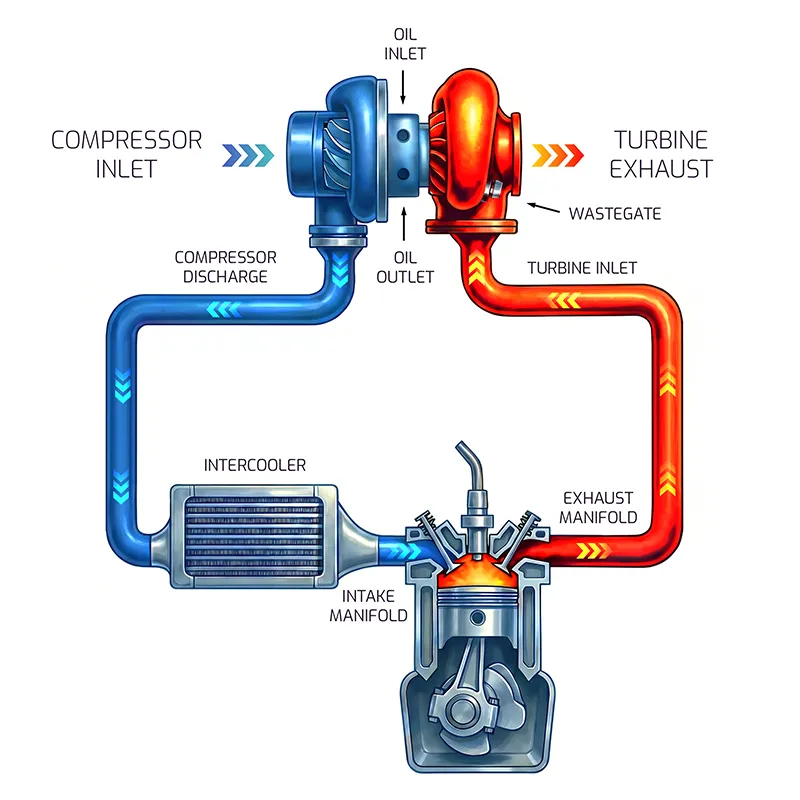
How a turbocharger works - turbo system diagram with compressor, turbine and intercooler

Where to start

Not sure which guide you need? Choose the topic that best matches the problem you are trying to solve.

If you want to understand the basic principle of a turbocharger, begin with our guide on how turbochargers work. It explains how exhaust gas drives the turbine, how compressed air enters the engine and why turbochargers are used on petrol and diesel engines.

Find your turbocharger part number

If you are trying to order the correct replacement turbocharger, the most important first step is finding the turbo part number. Vehicle registration lookup can be useful, but it is not always enough, as the same model can use different turbochargers depending on engine code, power output, year and emissions setup.

The part number on the turbocharger itself is usually the safest way to confirm compatibility before ordering.

How to find a turbocharger part number on the turbo ID plate
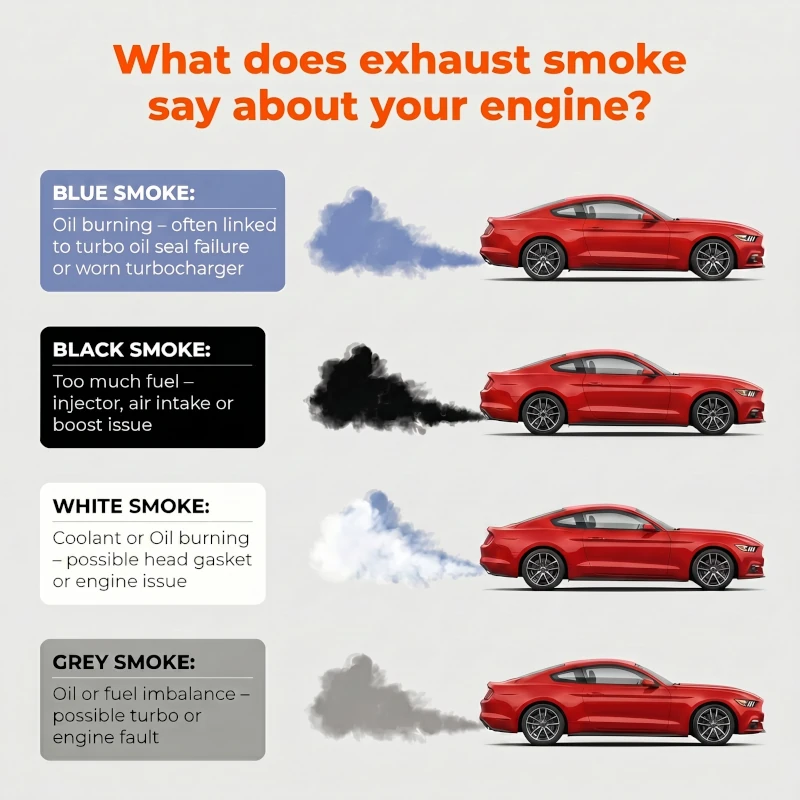
Signs of a blown turbo - exhaust smoke symptoms and turbocharger fault guide

How to tell if your turbo is blown

Loss of power, smoke, increased oil use, limp mode, poor acceleration or a whining noise can all point towards a turbocharger problem. However, these symptoms do not always mean the turbo itself has failed.

Similar faults can be caused by split boost pipes, air leaks, vacuum problems, EGR issues, DPF restriction, actuator faults or boost control failure. This guide explains the common signs of a blown turbo and what should be checked before replacing it.

Common turbocharger failure reasons

If a turbocharger has already failed, or if you are replacing one, the cause of failure should be checked before fitting another unit. A turbo usually fails because something around it has gone wrong, not simply because the turbo itself is worn.

Common causes include oil starvation, oil contamination, blocked oil feed pipes, restricted oil return, boost leaks, foreign object damage, actuator faults, overspeeding, exhaust restrictions and poor fitting checks. Finding the root cause helps prevent repeat failure and reduces the risk of warranty problems after replacement.

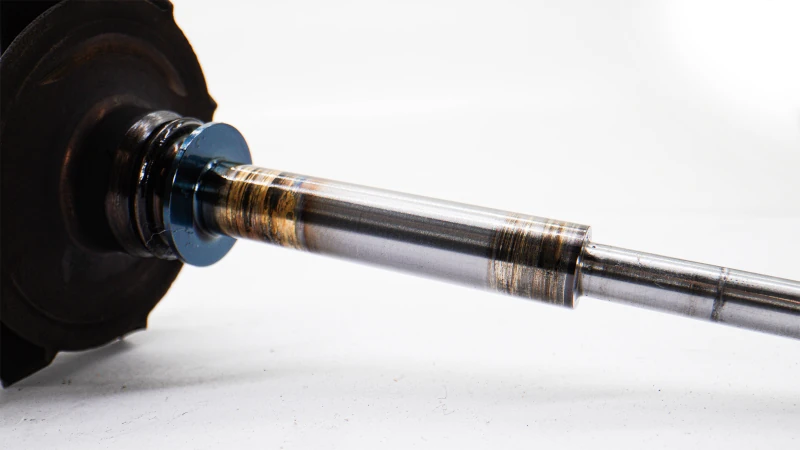
Turbocharger shaft damage showing common turbo failure symptoms and oil contamination
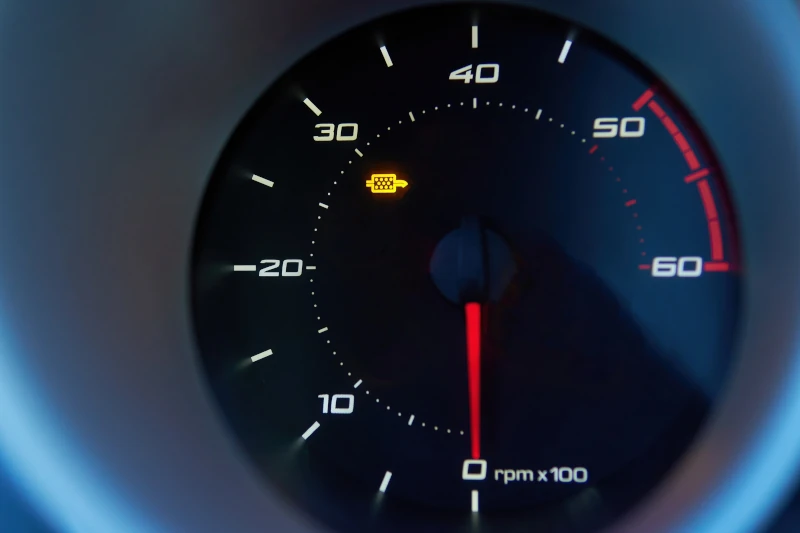
Blocked DPF warning light and turbocharger failure risk

Can a blocked DPF cause turbo failure?

On modern diesel vehicles, the DPF and turbocharger are closely connected through the exhaust system. If the DPF becomes blocked or restricted, exhaust back pressure and heat can increase, putting extra strain on the turbocharger.

This can contribute to poor boost control, oil leaks, reduced performance, smoke, regeneration issues and premature turbo failure. This guide explains how a blocked DPF can affect the turbocharger and why the DPF should be checked before replacing a turbo on many diesel vehicles.

Next steps

These guides can help you understand turbo symptoms, confirm the correct part number and recognise the most common causes of turbo failure before repair or replacement.

Already know your turbocharger part number? Browse our new and remanufactured turbochargers online.

Need diagnosis, fitting, DPF checks, actuator support or exchange supply? View our turbocharger services.

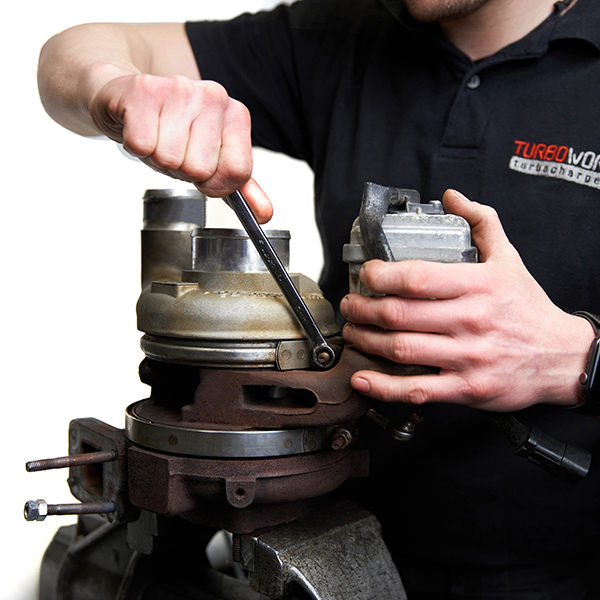
Turbocharger repair, diagnosis and fitting support from Turboworks

Need help identifying a turbocharger?

If you are unsure which turbocharger is fitted to your vehicle, please check the part number on your old unit where possible. You can also contact us with your vehicle registration, VIN, turbo part number or clear photos of the turbocharger, and we will help confirm the correct option.

This is especially useful if your vehicle has multiple possible turbo options, different power outputs or a bi-turbo setup. Correct identification before ordering can help avoid delays, returns and incorrect parts.

Product added to wishlist
Product added to compare.

We use cookies and similar technologies to improve your browsing experience, analyse traffic and measure website performance. With your consent, we and our partners including Google may use cookies and mobile advertising identifiers for analytics, conversion tracking and personalised or non-personalised advertising (ads personalisation). Learn more about how Google uses information from sites that use its services here: https://business.safety.google/privacy/